
The Instigation Dispatch: 3.11.26- The Atlanta Hawks' Failed "Magic City Night" and Why Inside Jokes Make for Bad Brand Decisions (FREE)
Was the NBA franchise's promotion a simple mistake, or is it an example of a massive lapse in cultural competence that they should have seen coming? This is what happens when brands miss the moment.

Inside Jokes, Outside Consequences: What the Atlanta Hawks’ “Magic City Night” Teaches Us About Cultural Competence
In medicine, there’s a foundational principle that governs nearly every decision a doctor makes: first, do no harm.
It’s simple. It’s elegant. And if more marketing departments adopted it as a guiding philosophy, we’d likely see far fewer brand crises born from ideas that sounded great in the room but disastrous once exposed to the world.
Because when it comes to developing marketing strategies and communications, the same principle applies. Before we chase cleverness, before we pursue cultural relevance, before we try to manufacture a viral moment, the first question should always be: does this help the brand, or could it hurt it?
At its most basic level, this is just risk management. Every brand has equity it’s trying to protect. Every public message carries the potential for misinterpretation. Every campaign lives in a cultural ecosystem that can shift dramatically between the day an idea is conceived and the day it launches.
But when done well, this kind of careful thinking becomes something more powerful than caution. It becomes Cultural Competence; the ability to understand the environment your brand exists within and align your messaging with the values, expectations, and sensitivities of the people you’re trying to reach.
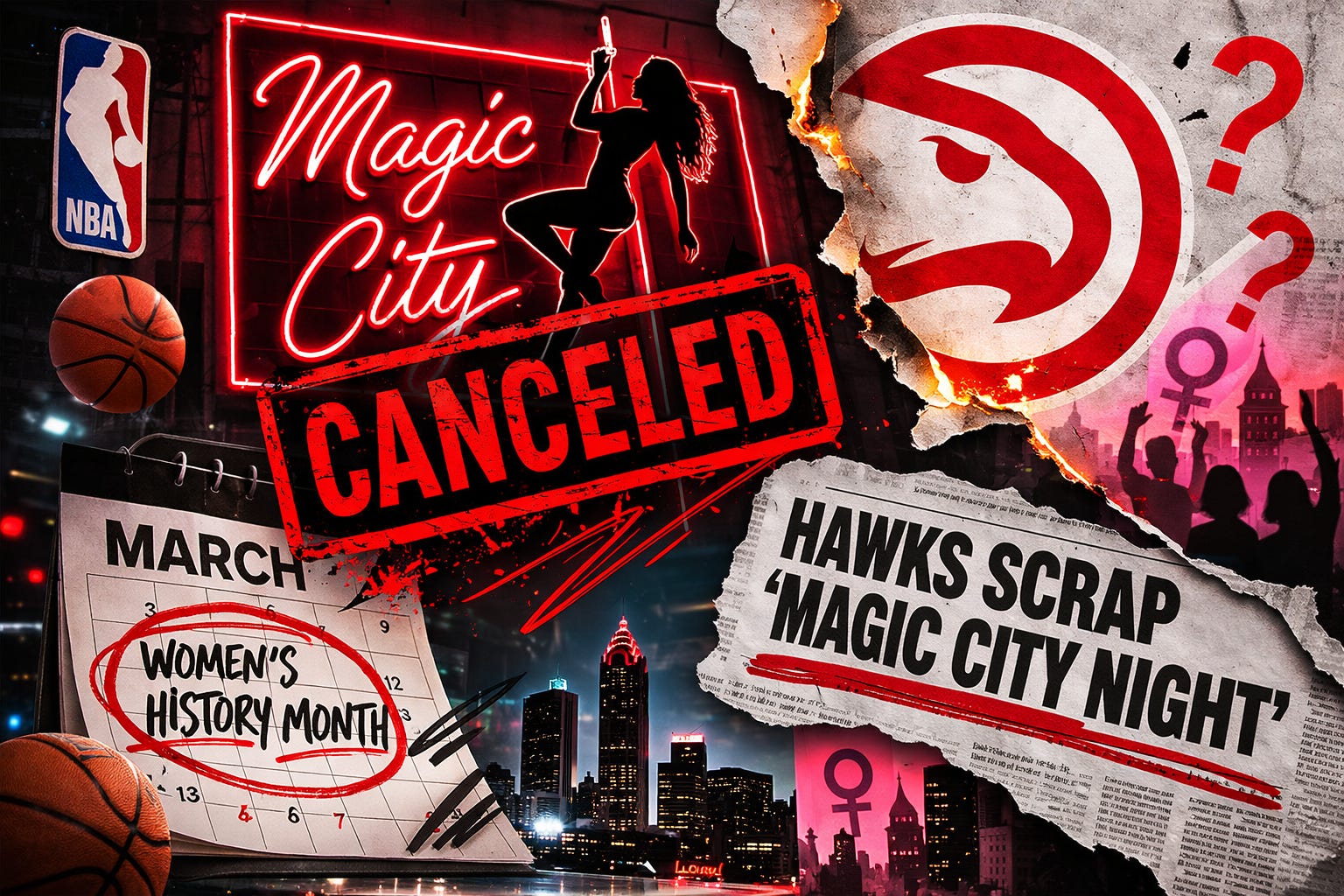
And that’s where the Atlanta Hawks’ now-canceled “Magic City Night” promotion becomes an instructive case study.
Because from inside the building, someone probably thought they had a brilliant idea.
From the outside, it looked like a spectacular miss.
The Idea That Made Sense in the Room
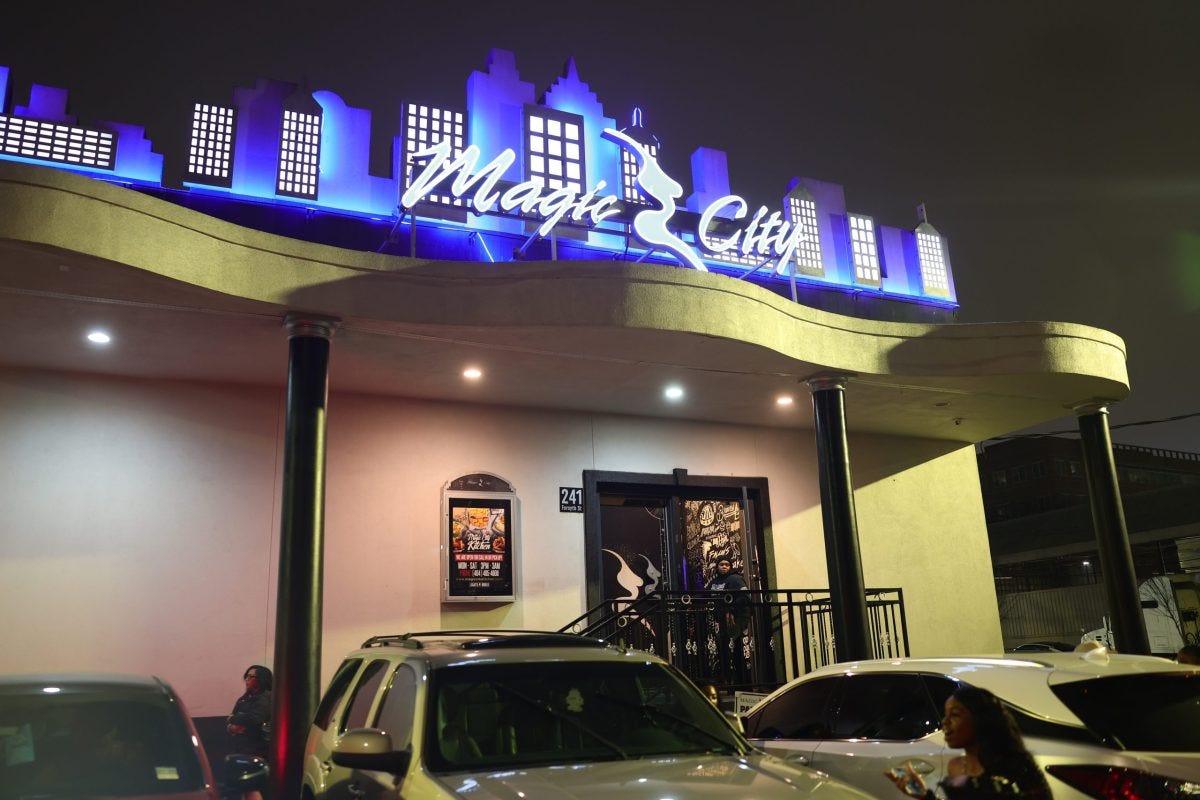
For those unfamiliar with Atlanta culture, Magic City is a strip club.
But describing it that way doesn’t quite capture its place in the city’s mythology.
For decades, Magic City has functioned as a kind of unofficial cultural landmark. It’s where rappers debut songs. Where athletes celebrate wins. Where legends and rumors circulate in equal measure. It has appeared in music videos, documentaries, and countless hip-hop lyrics. In Atlanta, referencing Magic City carries a certain tongue-in-cheek civic pride.
Locals understand the joke.
Outsiders want to understand the joke.
And the taboo of it all makes the reference even more entertaining.
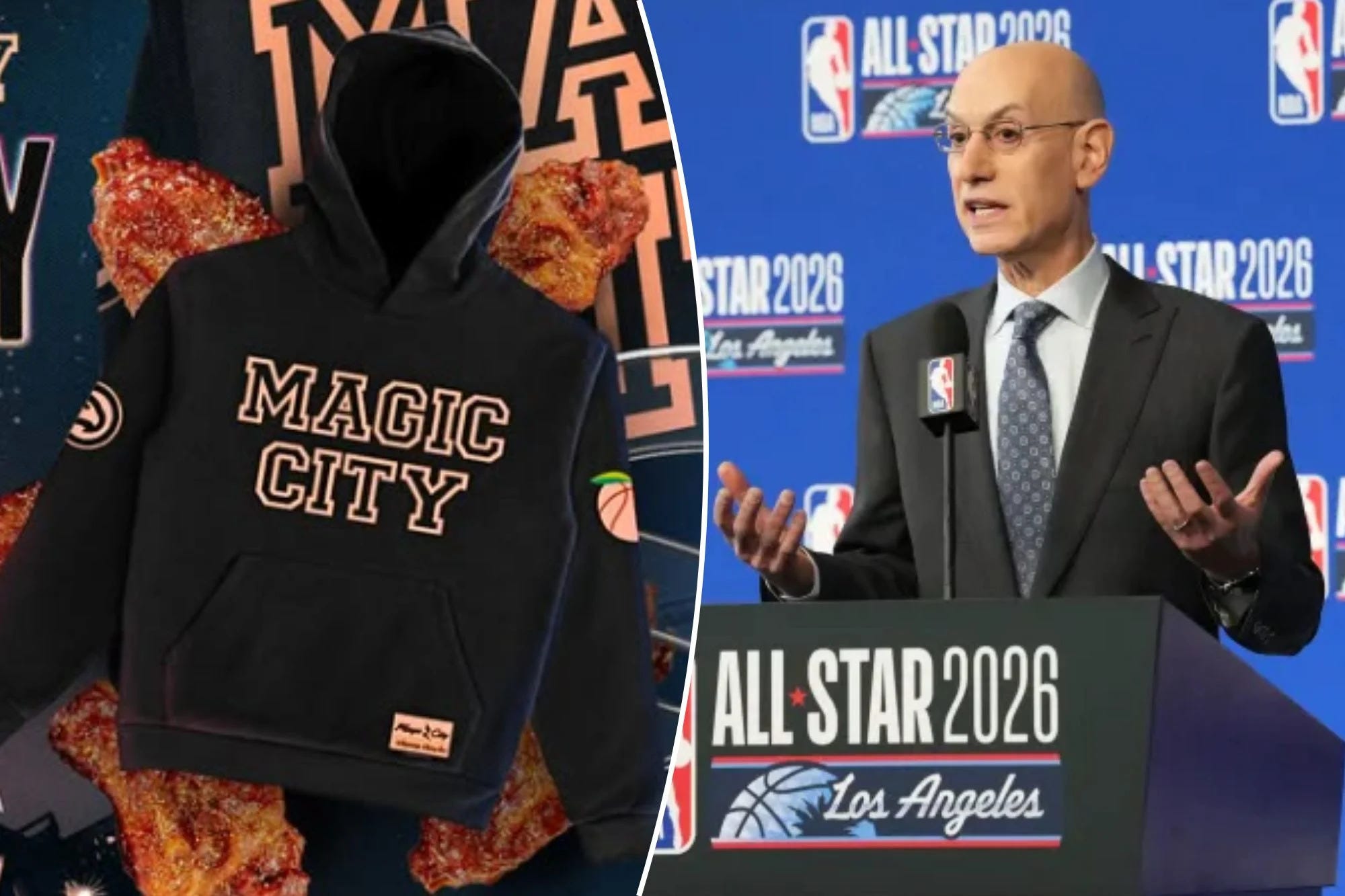
So when the Hawks scheduled a game against the Orlando Magic, someone in the marketing department likely saw an opportunity: lean into the wordplay and create a “Magic City Night.”
From a purely creative standpoint, it probably felt clever. Maybe even inevitable. The kind of idea that gets a laugh in the meeting and nods around the table.
The problem wasn’t the pun.
The problem was everything surrounding it.
Because when you zoom out from the cleverness and examine the broader cultural context, the activation begins to reveal a series of missteps that, taken together, show what happens when inside jokes escape the room and enter the public square.
Misstep #1: Missing the Cultural Climate
The first failure was macro-cultural awareness.
Marketing ideas do not exist in a vacuum. They exist inside a moment.
And right now, that moment includes ongoing cultural conversations around sexual exploitation, abuse of power, and the treatment of women.
High-profile cases involving figures like Sean “Diddy” Combs and the continuing public fascination with the Epstein network have kept issues of exploitation and power dynamics firmly in the public discourse. Media coverage, documentaries, and social commentary have elevated a broader societal conversation about how women—particularly vulnerable women—are treated within systems of wealth and celebrity.
Against that backdrop, launching a branded activation celebrating a strip club becomes… complicated.
Not because strip clubs are inherently taboo or off-limits culturally, but because the meaning of symbols shifts depending on the moment we’re in.
What might have felt like cheeky Atlanta humor in 2018 can feel tone-deaf in 2026.
The question that should have been asked internally is simple:
How might someone outside the joke interpret this?
Because brand messaging doesn’t just speak to the people who already understand you. It speaks to everyone else as well.
And those audiences are often the ones who define the narrative.
Misstep #2: Ignoring the Calendar
The second oversight was more basic: timing.
The activation was planned for March, which also happens to be Women’s History Month.
Now, if you’re an NBA team—or any major brand—there are countless ways you could celebrate women during that time.
You could highlight women in sports leadership.
You could spotlight local female entrepreneurs.
You could celebrate community activists, educators, artists, or civic leaders across Georgia.
Instead, the Hawks inadvertently positioned themselves to celebrate… a strip club.
Even if the original intention was ironic humor, the symbolism becomes difficult to ignore once it collides with the calendar.
And in marketing, symbolism matters.
Brands don’t control how messages are interpreted once they leave the building. All they can do is anticipate how the message might land within the context people are already experiencing.
In this case, the juxtaposition was simply too stark.
Misstep #3: Institutional Memory
The third issue is one that sports organizations, in particular, should always keep in mind: history.
Because the NBA has been here before.
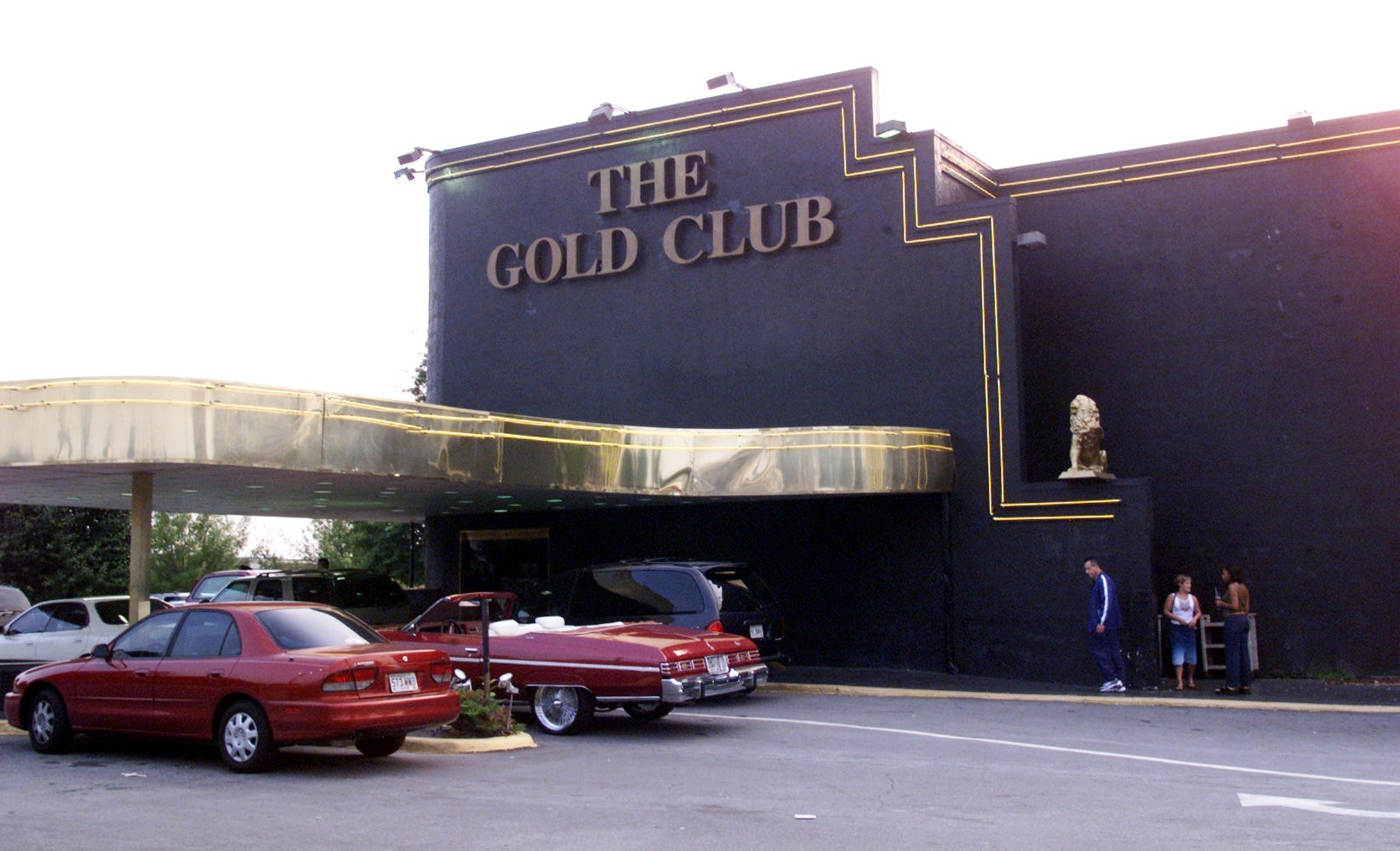
In the late 1990s and early 2000s, the league found itself embroiled in the infamous Gold Club scandal in Atlanta; a federal investigation involving allegations of mob-linked extortion, prostitution, and connections between professional athletes and organized crime.
The scandal was a major public relations headache for the league at the time. It reinforced negative stereotypes about athletes, nightlife culture, and the environment surrounding professional sports.
Given that history, it’s reasonable to ask:
Did anyone stop to consider how this activation might echo that past?
Brand communication isn’t just about creativity. It’s about stewardship. Every organization inherits a legacy—both good and bad—and part of the marketing function is protecting that legacy from unnecessary risk.
Sometimes the most strategic move isn’t to lean into the joke.
It’s to recognize that the joke isn’t worth the baggage it brings with it.
The Problem with Inside Jokes in Branding
Strip away the specifics and what we’re left with is a broader lesson about inside jokes as marketing strategy.
Inside jokes work because they rely on shared context.
They assume the audience understands the nuance, the irony, and the cultural shorthand embedded in the message. Among friends or locals, that kind of communication creates belonging.
But branding doesn’t operate within a small circle of shared understanding.
Brands communicate to mass audiences, many of whom don’t share the same cultural reference points.
And when an inside joke leaves the room, something important gets lost: the context that made it funny in the first place.
Without that context, audiences interpret the message literally.
What felt ironic internally begins to look careless externally.
This is especially dangerous inside organizations where internal culture can become an echo chamber. When everyone around the table shares the same perspective, the same jokes, and the same assumptions about how the world works, ideas stop being pressure-tested against the broader reality they’ll eventually encounter.
That’s not just a creative failure.
It’s a failure of Cultural Competence.
Cultural Competence Is Strategic Discipline
Cultural Competence isn’t about political correctness.
It’s about strategic awareness.
It requires brands to ask a series of questions before launching an idea:
What cultural conversations are happening right now?
How might different audiences interpret this message?
Does this align with our brand’s values and mission?
Are we considering both the opportunity and the risk?
Organizations that practice Cultural Competence aren’t afraid of bold ideas.
They’re simply better at choosing the right moment for them.
Because timing and context often determine whether an idea becomes a cultural win or a reputational headache.
When Cleverness Outruns Judgment
To be fair, the Hawks likely didn’t set out to create controversy.
Most marketing missteps aren’t born from malice. They’re born from enthusiasm.
A clever idea emerges. The room laughs. The team gets excited about the buzz it might generate. The internal momentum builds.
And somewhere along the way, the harder questions stop being asked.
That’s when cleverness outruns judgment.
It’s also when organizations most need voices in the room who are empowered to say:
“Maybe we should think about this a little more.”
Not because the idea is offensive.
But because the context might make it risky.
The Value of Pressure Testing
One of the simplest ways brands avoid these moments is by pressure testing ideas outside the echo chamber.
That means involving diverse perspectives.
It means listening to cultural strategists.
It means asking people who aren’t in the meeting how the message might land.
Because the goal of marketing isn’t just to generate attention.
It’s to generate the right kind of attention.
And sometimes the difference between the two is simply asking one more question before pressing “launch.”
The Lesson for Brands
The Hawks eventually canceled the activation once criticism began to surface. That was the right call.
But the larger lesson isn’t about one team or one promotion.
It’s about the responsibility brands carry when they communicate publicly.
Inside jokes can build culture internally.
But once they become marketing messages, they must stand on their own.
They have to survive the scrutiny of people who don’t share the joke.
They have to exist within a cultural moment that may be far more complicated than the one in which the idea was born.
And most importantly, they have to uphold the trust that audiences place in the brand itself.
Because brand equity isn’t built on cleverness.
It’s built on judgment.
First, Do No Harm
Which brings us back to that original principle.
First, do no harm.
It’s a deceptively simple idea, but one that requires discipline to practice. It means slowing down when enthusiasm is high. It means considering the broader environment rather than just the creative spark. It means recognizing that not every clever idea deserves to become a campaign.
And it means understanding that Cultural Competence isn’t a buzzword… it’s a strategic advantage.
The Hawks’ Magic City Night likely started as a harmless joke.
But jokes don’t always translate when they leave the room.
Brands would be wise to remember that the difference between humor and harm often comes down to one thing:
Understanding the moment you’re speaking into.
Because when impulse drives the idea, brands risk embarrassment.
But when understanding leads the strategy, brands earn something far more valuable than a laugh.
They earn trust.