
The Instigation Dispatch: 2.9.26- How the Ghost of Cracker Barrel Kept Brands From Meeting the Moment
The cultural moment surrounding this year's Super Bowl was an invitation to address audiences of the future. But most of the ads reflected brands that seem to be shackled to the past out of fear.

The Super Bowl Is Still America’s Biggest Mirror. Brands Just Didn’t Like the Reflection.
Every year, the Super Bowl offers brands a generationally impactful scale moment to do more than sell products. It gives them the chance to declare what they think America is, and more importantly, where they believe it’s going.
Last night, brands had that chance again.
And for the most part, they punted.
Instead of using advertising’s biggest night to articulate a vision of an America that actually reflects who’s watching, brands defaulted to a monocultural, nostalgia-soaked, celebrity-stuffed version of the country that feels increasingly imaginary. The work wasn’t offensive. It wasn’t overtly regressive. It was something worse.
It was safe.
It was disconnected.
And it was aimed at audiences that are quietly disappearing.
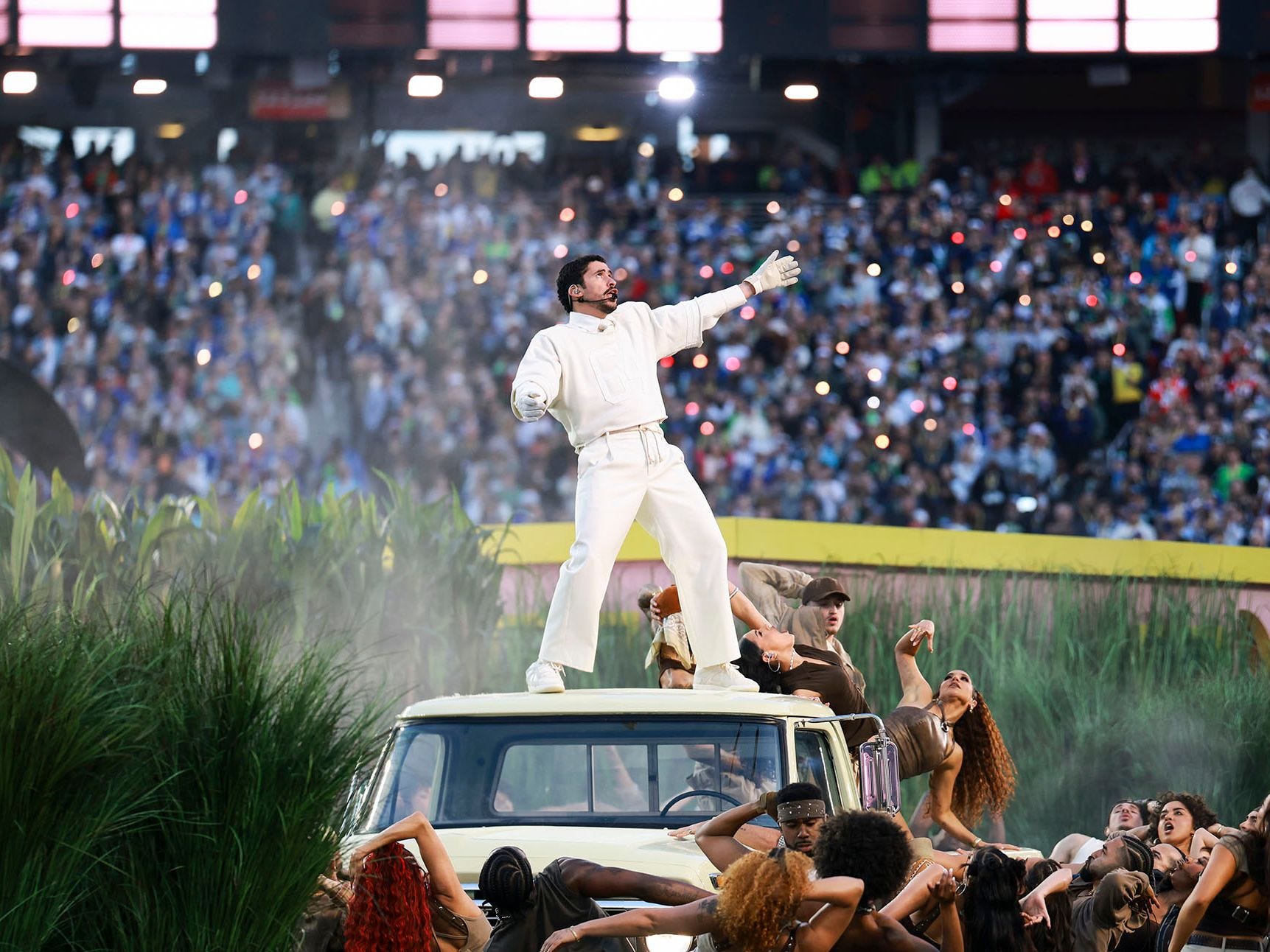
This was the same night that Bad Bunny commanded the halftime stage; a cultural signal so loud it should have rattled every CMO in the building. Hispanic audiences weren’t just present; they were central. They were the moment. Yet somehow, many brands behaved as if that reality was optional context rather than the main event.
The Super Bowl remains the rare media moment where brands can speak to the whole country at once. The tragedy is that so many used that opportunity to speak to a version of America that no longer exists… if it ever did.
When “America” Becomes a Costume
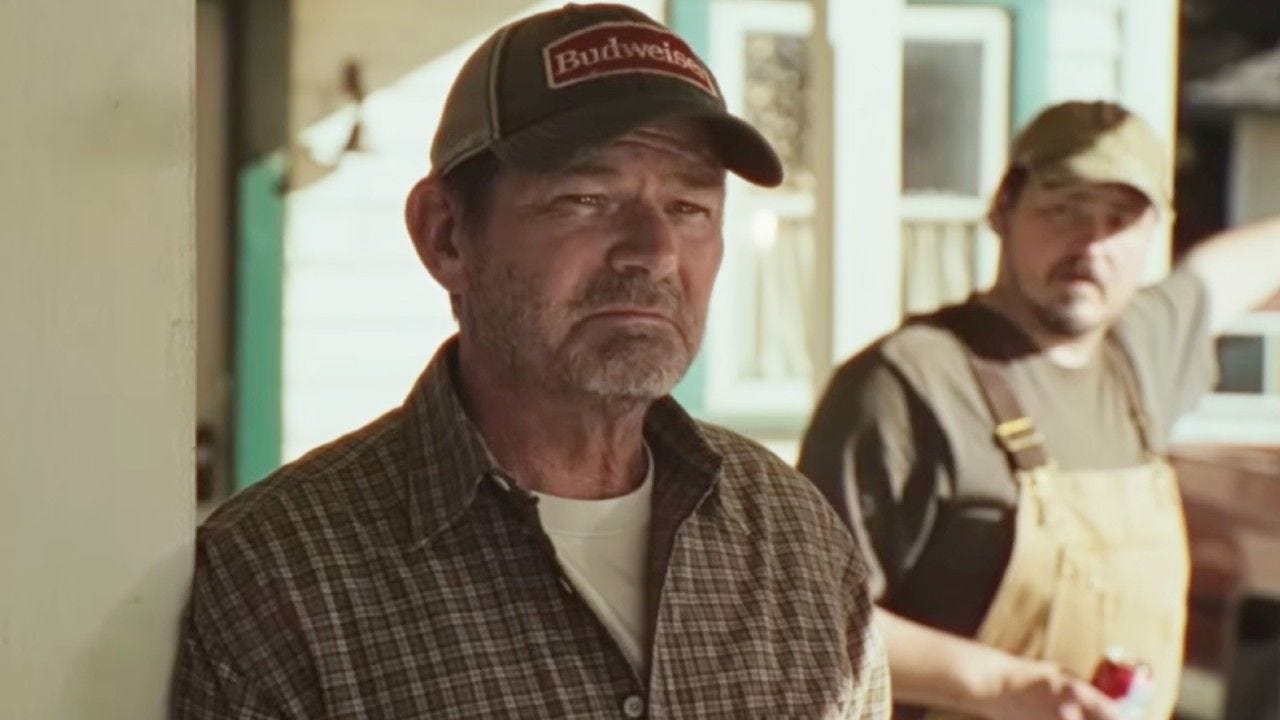
No brand illustrated this tension more clearly than Budweiser.
Its spot felt less like a confident declaration and more like penance. A carefully staged pageant of Americana—flags, grit, Lynyrd Skynyrd—delivered with the anxious energy of a brand trying to reassure itself that it still belongs. It wasn’t selling beer as much as it was asking for forgiveness.
And that’s the problem.
Budweiser wasn’t advancing a vision of America. It was wrapping itself in symbols of “America” as armor, hoping that if it leaned hard enough into familiarity, it could neutralize backlash from past perceived missteps. The ad played like self-parody; not because it was self-aware, but because it was stuck.
Meanwhile, Modelo continues to alternate between the #1 and #2 beer brand in the country, in a declining category, by doing something far more radical: understanding who is actually buying beer in America today.
Modelo doesn’t ask for permission.
It doesn’t perform patriotism.
It doesn’t cosplay heritage.
It simply reflects the lived reality of a multicultural, aspirational, working-class consumer who sees themselves in the brand’s story.
That contrast wasn’t accidental. It was strategic.
Monoculture as Risk Aversion
What we saw across much of last night’s advertising wasn’t laziness; it was fear.
Brands followed a formula that has become depressingly familiar:
Celebrity cameos in place of insight
Absurdist humor in place of meaning
Easter-egg nostalgia in place of relevance
This is the monocultural playbook. It’s designed to offend no one, excite no one, and survive the Monday morning social media autopsy with minimal bruising.
The irony? Playing it safe has become the riskiest move available.
The Super Bowl audience is no longer a single, homogeneous mass. It’s layered, fragmented, and culturally complex. Treating it as a monolith doesn’t unify, it alienates. And when brands flatten culture into a lowest-common-denominator joke, they don’t just miss resonance; they signal that they don’t understand the room.
Culture isn’t a garnish you add after the storyboard is locked. It’s the operating system. Ignore it, and no amount of celebrity budget will save you.
The Cracker Barrel Effect, Now in 4K
There’s a phenomenon I’ll call The Cracker Barrel Effect: the instinct to protect legacy customers at all costs, even when doing so accelerates long-term decline.
You see it when brands prioritize not upsetting a shrinking base over growing with emerging audiences. When they cling to normative ideals because they feel familiar, even as those ideals lose cultural and economic relevance.
Last night, that instinct was everywhere.
Brands weren’t chasing growth; they were chasing approval. Specifically, approval from a loud, hyper-reactive online cohort that treats any deviation from its version of “normal” as betrayal. Instead of seeing this group for what it is—a vocal minority with diminishing purchasing power—brands allowed it to define their creative ceiling.
That’s not brand stewardship. That’s fear management.
And fear has never built a future-proof brand.
Bad Bunny Was the Brief. Brands Ignored It.
Halftime wasn’t subtle.
Bad Bunny didn’t just perform; he contextualized the night. His presence was a reminder that American culture is no longer something you protect, it’s something you participate in.
Hispanic audiences weren’t tuning in as guests. They were tuning in as stakeholders. And yet, so many brands treated them as a niche to be addressed later, in a different buy, during Hispanic Heritage Month, with a different budget and a different level of seriousness.
That’s the disconnect.
When culture is happening in real time and brands refuse to engage it at scale, they don’t look cautious, they look behind.
Celebrity Is Not Culture
Let’s be clear: celebrity isn’t the problem. Using celebrity instead of insight is.
Too many spots last night felt like they were assembled backward: start with a famous face, reverse-engineer a joke, sprinkle in a product shot, call it a day. The result is work that generates momentary chatter but leaves no residue.
Culture, on the other hand, lingers.
It invites audiences to see themselves.
It gives brands a point of view.
It says, “We understand where you are… and where you’re headed.”
Celebrity without cultural grounding is just noise with a higher CPM.
Assurance vs. Aspiration
A striking through-line in last night’s work was the emotional posture brands adopted. Most weren’t trying to inspire. They were trying to reassure.
Reassure consumers that everything is fine.
Reassure stakeholders that nothing radical is happening.
Reassure critics that no lines will be crossed.
But reassurance is a backward-looking emotion. It’s about stabilizing what already exists.
Aspiration, by contrast, is forward-looking. It acknowledges discomfort, change, and momentum; and invites consumers into something better.
The brands that win over the next decade will choose aspiration every time. They’ll accept that not everyone will like them. They’ll understand that relevance requires risk. And they’ll stop mistaking silence for safety.
What the Super Bowl Still Demands
The Super Bowl isn’t just a media buy. It’s a cultural test.
It asks brands one simple question:
What do you believe about America: right now?
Last night, too many brands answered with nostalgia, caution, and consensus thinking. They projected images that placated rather than engaged, assured rather than inspired, and aligned with the past instead of embracing the future.
That choice might feel defensible in the short term. But in a marketplace shaped by demographic reality—not ideological nostalgia—it’s a losing strategy.
America is changing whether brands acknowledge it or not. The only real decision left is whether they want to reflect that change, or be replaced by brands that do.
The Super Bowl will still be here next year.
So will the audience.
The question is whether the brands brave enough to speak to the real America will be.